
How to Plan an Outdoor Kitchen: Budget, Layout, and Must-Have Features
UPDATED ON: April 27, 2026
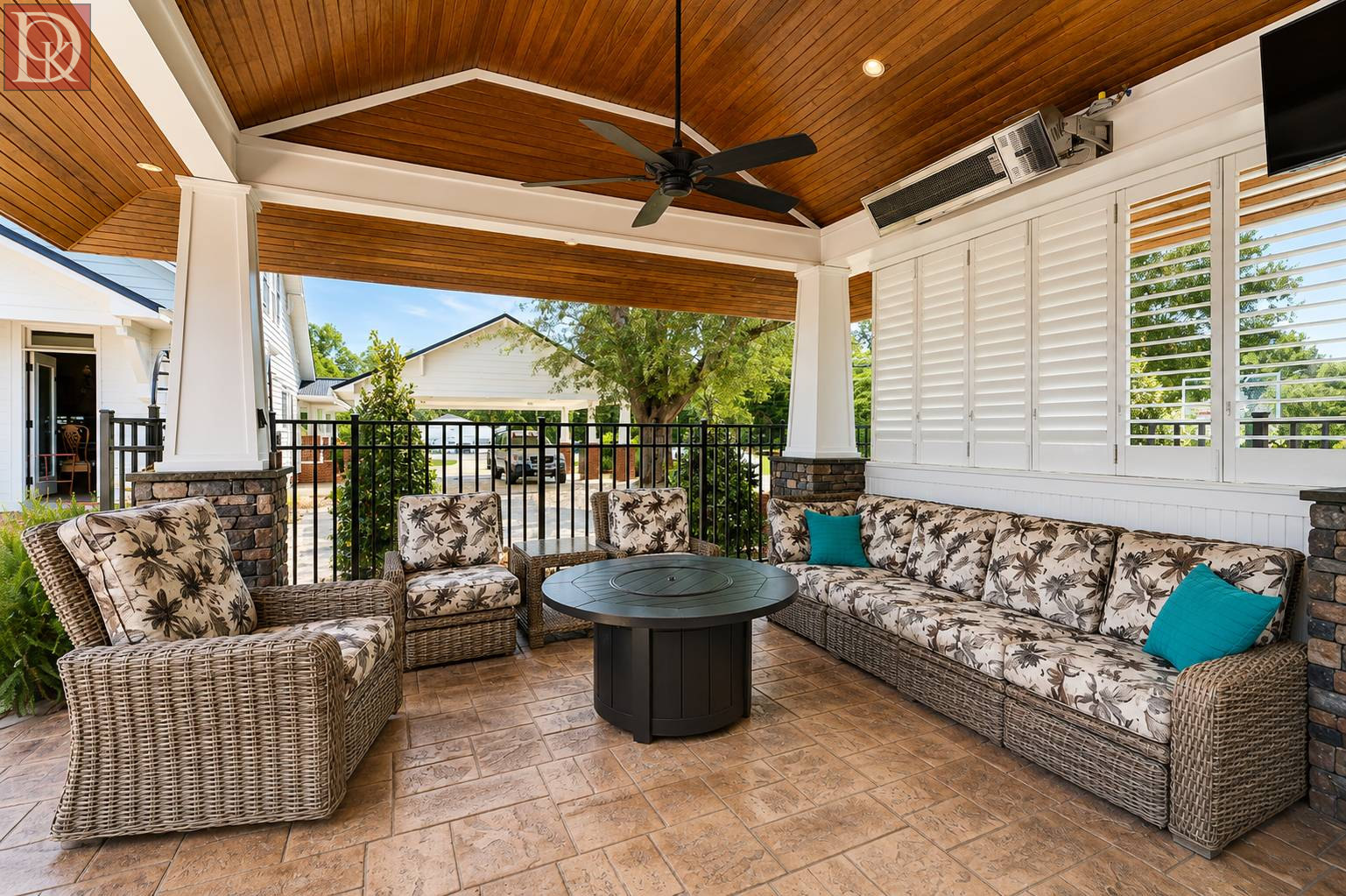
Planning an outdoor kitchen is one of the most exciting ways to upgrade your home—but it also comes with more decisions than many homeowners expect.
From choosing the right layout to understanding costs and selecting features that actually improve how you cook and entertain, the process can quickly become overwhelming without a clear plan.
For many Raleigh homeowners, the key isn’t just building an outdoor kitchen—it’s designing one that works well from the start.
With the right approach, you can create an outdoor space that feels natural, functional, and built for the way you live. Working with experienced outdoor kitchen specialists or an outdoor kitchen design contractor can help ensure every detail is thoughtfully planned from the start.
What Goes Into Planning an Outdoor Kitchen?
An outdoor kitchen is more than just a grill and countertop. It’s a combination of layout, appliances, materials, and design decisions that all need to work together.
Unlike indoor kitchens, outdoor spaces must account for weather, ventilation, and how people move through the space during gatherings. That’s why many homeowners choose to work with experienced outdoor kitchen contractors who understand how to design for both functionality and long-term durability.
In simple terms, planning an outdoor kitchen means creating a space that balances:
- functionality for cooking
- comfort for entertaining
- durability for outdoor conditions
If you’re just starting to explore options, you can learn more about our Outdoor Kitchens and how they’re designed specifically for Raleigh homes.
Step 1: Start With Layout and Flow
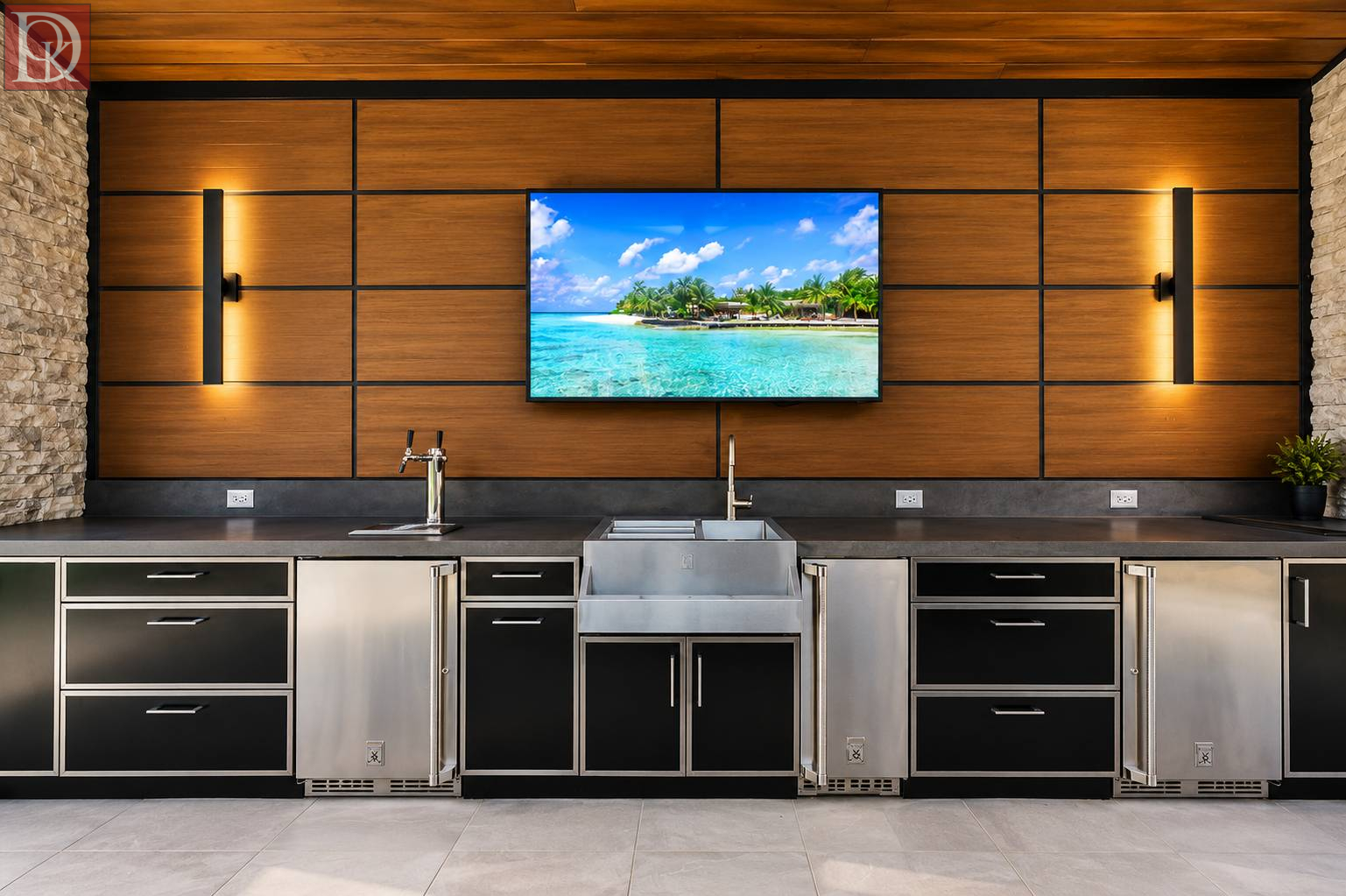
The layout is the foundation of every outdoor kitchen. Before selecting appliances or finishes, it’s important to think about how the space will function.
Where will food prep happen? How close should the grill be to seating areas? How will guests move through the space?
A well-planned layout ensures that cooking, serving, and entertaining all feel seamless rather than crowded or disconnected.
You can see how layout and flow come together in real projects throughout our Outdoor Kitchen Gallery, where each design is tailored to the home and outdoor space.
Step 2: Set a Realistic Budget Early
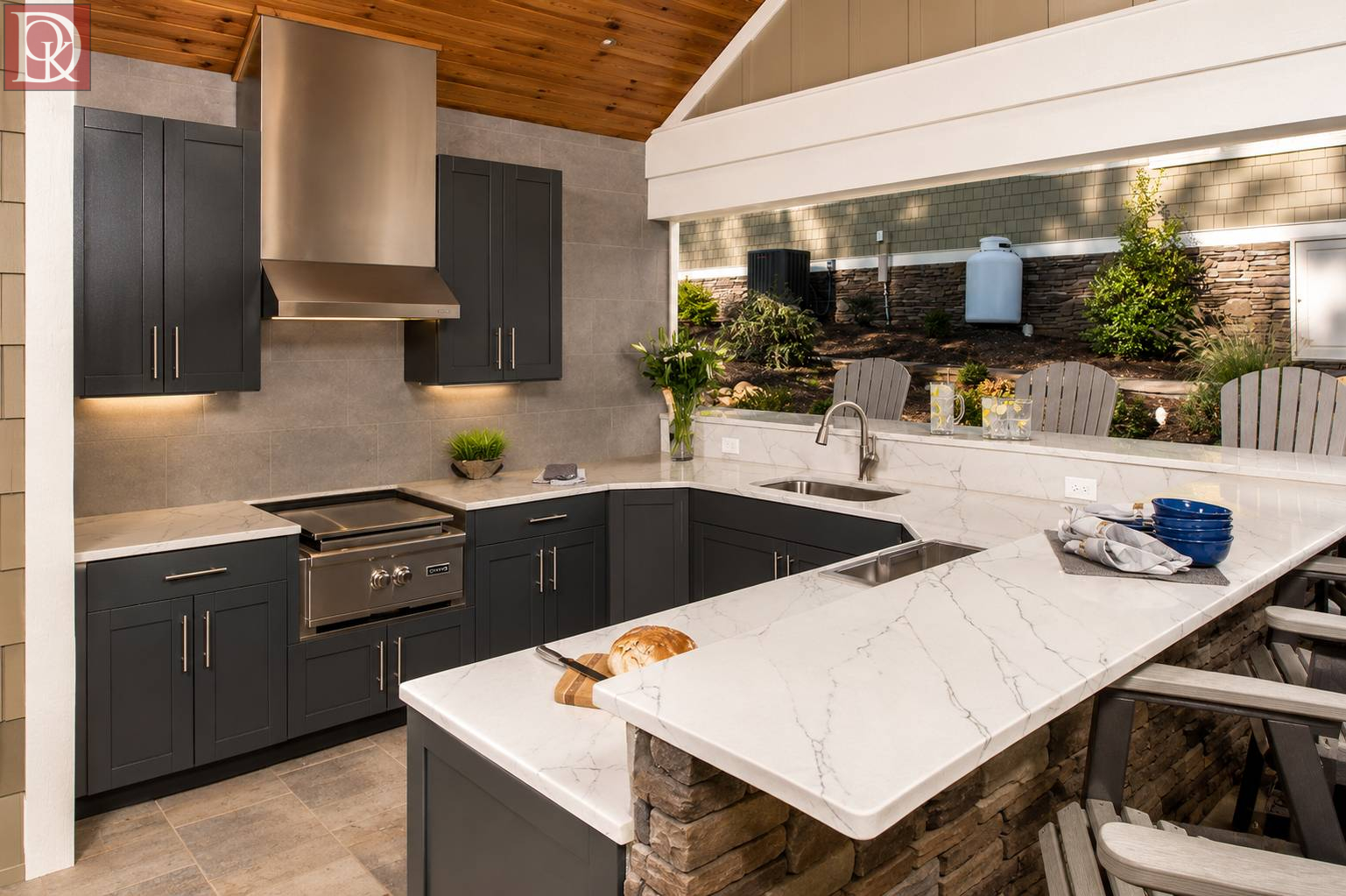
Outdoor kitchen costs can vary widely depending on the size of the space, materials, appliances, and whether additional features like covered structures or utilities are included.
Planning your budget early helps guide decisions and prevents unexpected changes later in the project.
Rather than focusing only on the total cost, it’s helpful to think about where your investment will have the most impact—such as layout improvements, durable materials, and appliances that match how you cook.
For a closer look at what to expect, our Outdoor Kitchen Costs guide breaks down the factors that influence pricing and project scope.
Step 3: Choose Features That Match How You Live
One of the most common mistakes homeowners make is adding features simply because they look impressive rather than because they’ll actually be used.
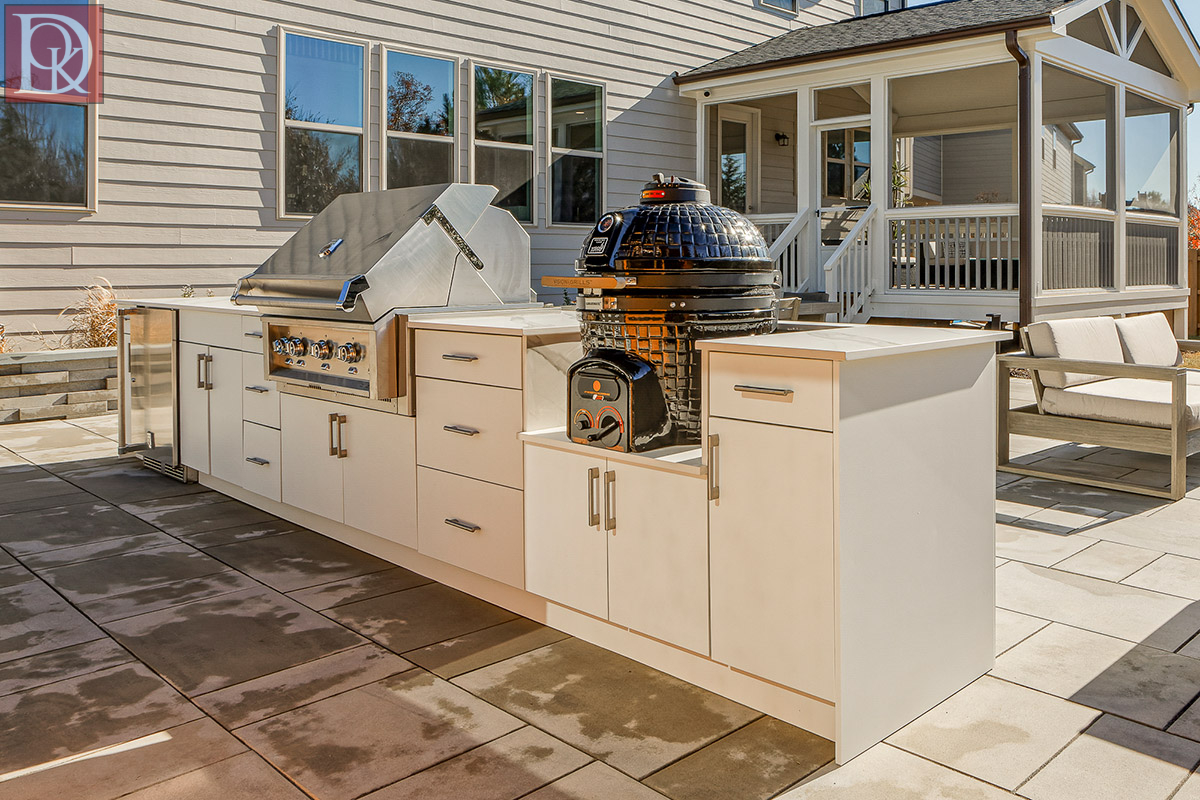
Some outdoor kitchens are built around simple grilling and casual meals. Others are designed for full outdoor entertaining with additional appliances and seating. These types of custom built outdoor kitchens are designed around how homeowners cook, gather, and use their space every day.
Popular features include:
- built-in grills and side burners
- beverage centers or refrigeration
- bar seating or dining areas
- pizza ovens or griddles
- storage for cooking tools and supplies
Technology is also becoming a bigger part of outdoor kitchen design. Integrated lighting, sound systems, and smart controls can enhance both cooking and entertaining.
We explored several of these ideas in our article Smart Outdoor Kitchens: Tech & Automation Features to Upgrade, which highlights how technology is shaping modern outdoor spaces.
Step 4: Decide Between Custom and Prefabricated Options
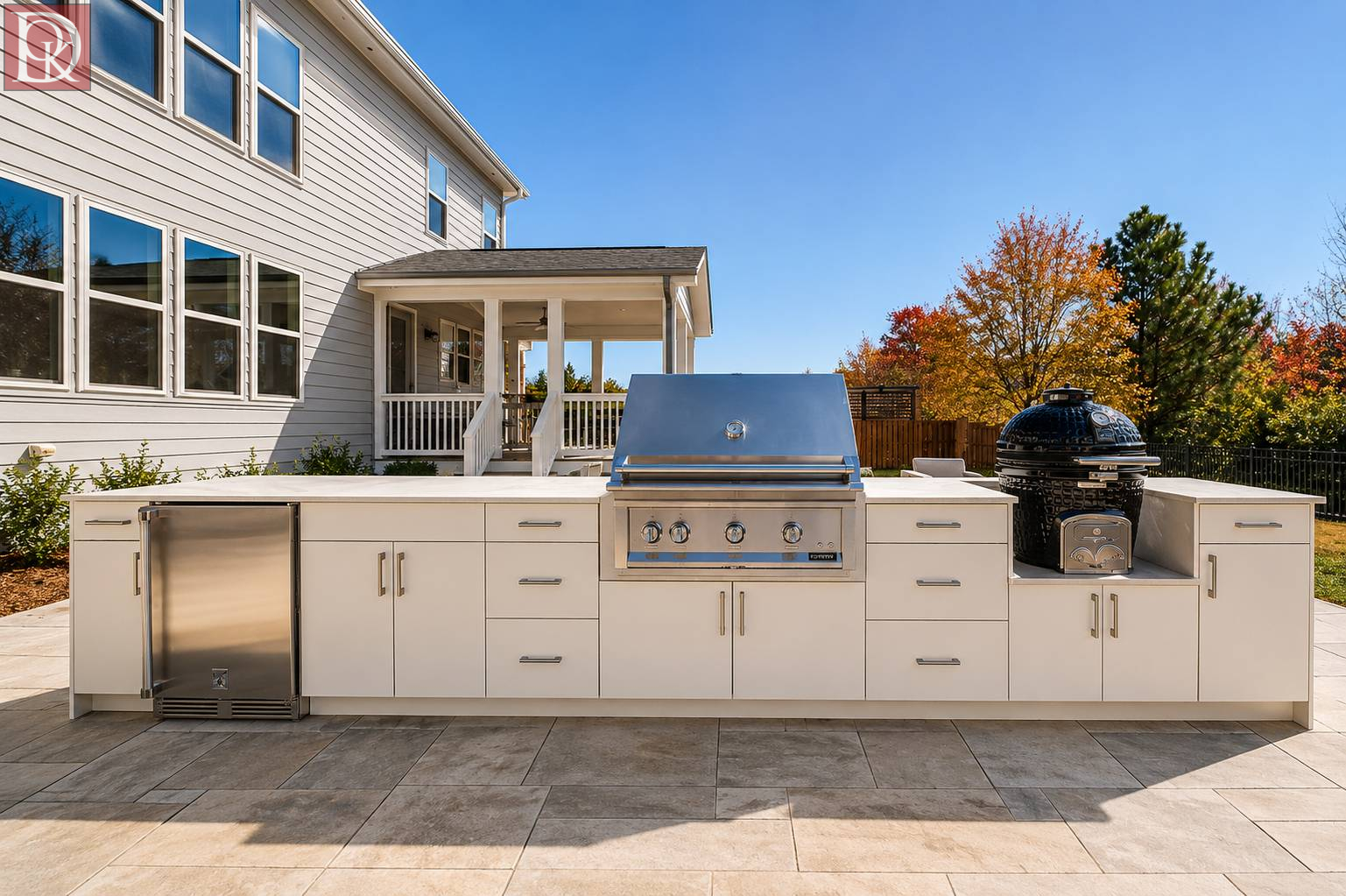
Another key decision is whether to choose a prefabricated outdoor kitchen or invest in a custom design.
Prefabricated outdoor kitchens (sometimes referred to as pre-manufactured outdoor kitchens) can be a faster, more straightforward option. Custom outdoor kitchens, on the other hand, allow every element—from layout to materials—to be designed specifically for the space and how it will be used. Many homeowners choose to work with custom outdoor kitchen builders or a custom outdoor kitchen contractor to create a space that is fully tailored to their home and how they entertain.
This is where thoughtful planning becomes especially important. The right approach depends on your goals, your space, and how you plan to use your outdoor kitchen over time.
If you’re comparing these options, our blog Prefab vs Custom Outdoor Kitchens: Which Is Right for You? provides a deeper breakdown of the pros and considerations of each.
Step 5: Plan for Comfort and Year-Round Use
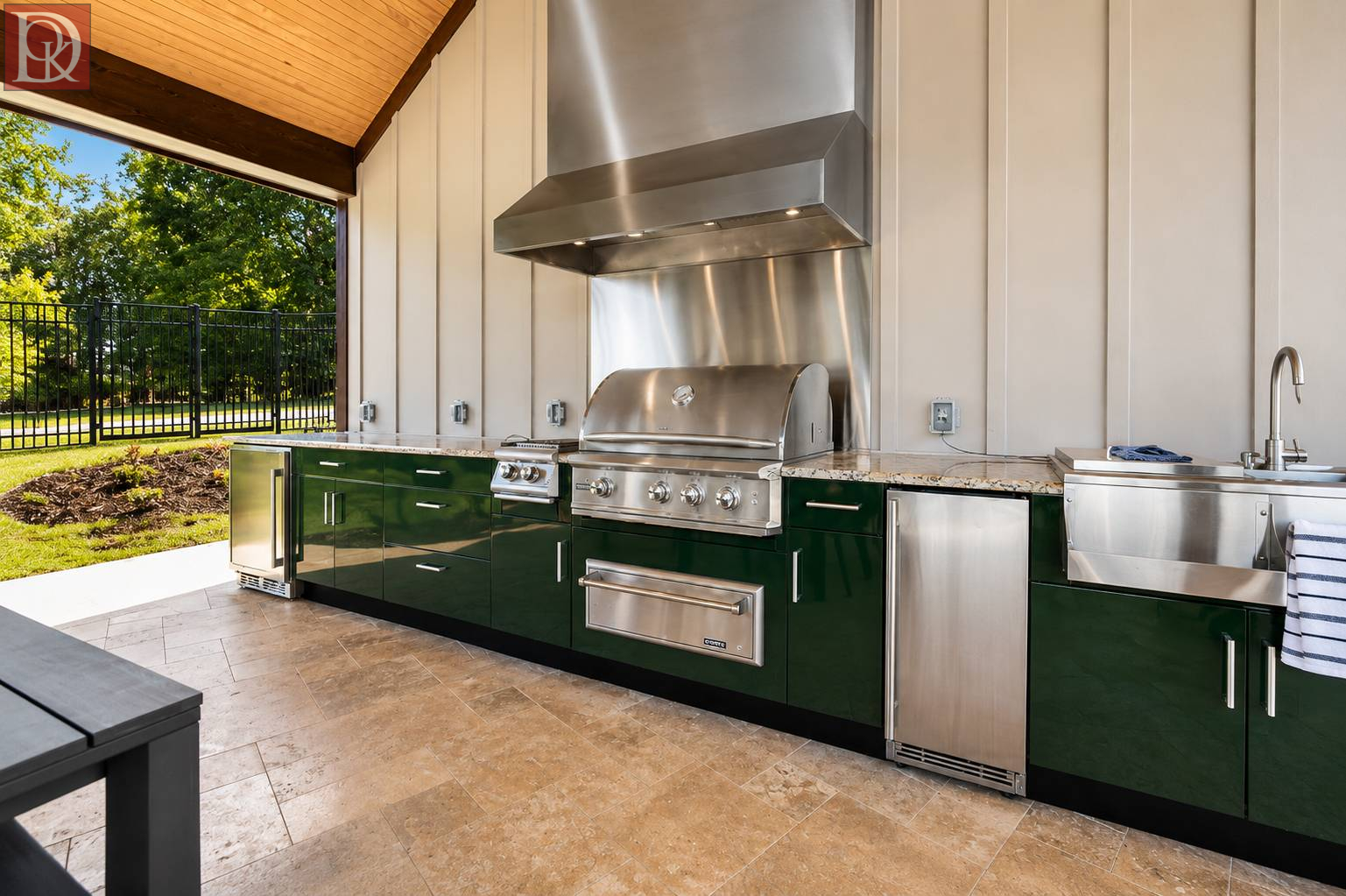
In Raleigh, outdoor kitchens can be used for much more than summer grilling—if they’re designed with comfort in mind.
Features like pergolas, pavilions, heaters, and shade structures can extend how often the space is used throughout the year.
Covered outdoor spaces, in particular, have become increasingly popular because they allow homeowners to cook and entertain regardless of weather conditions.
We explored this idea further in our post Covered Outdoor Spaces: Why Raleigh Homeowners Are Building for All Seasons, where design decisions make outdoor kitchens more versatile year-round.
Step 6: Work With a Team That Brings It All Together
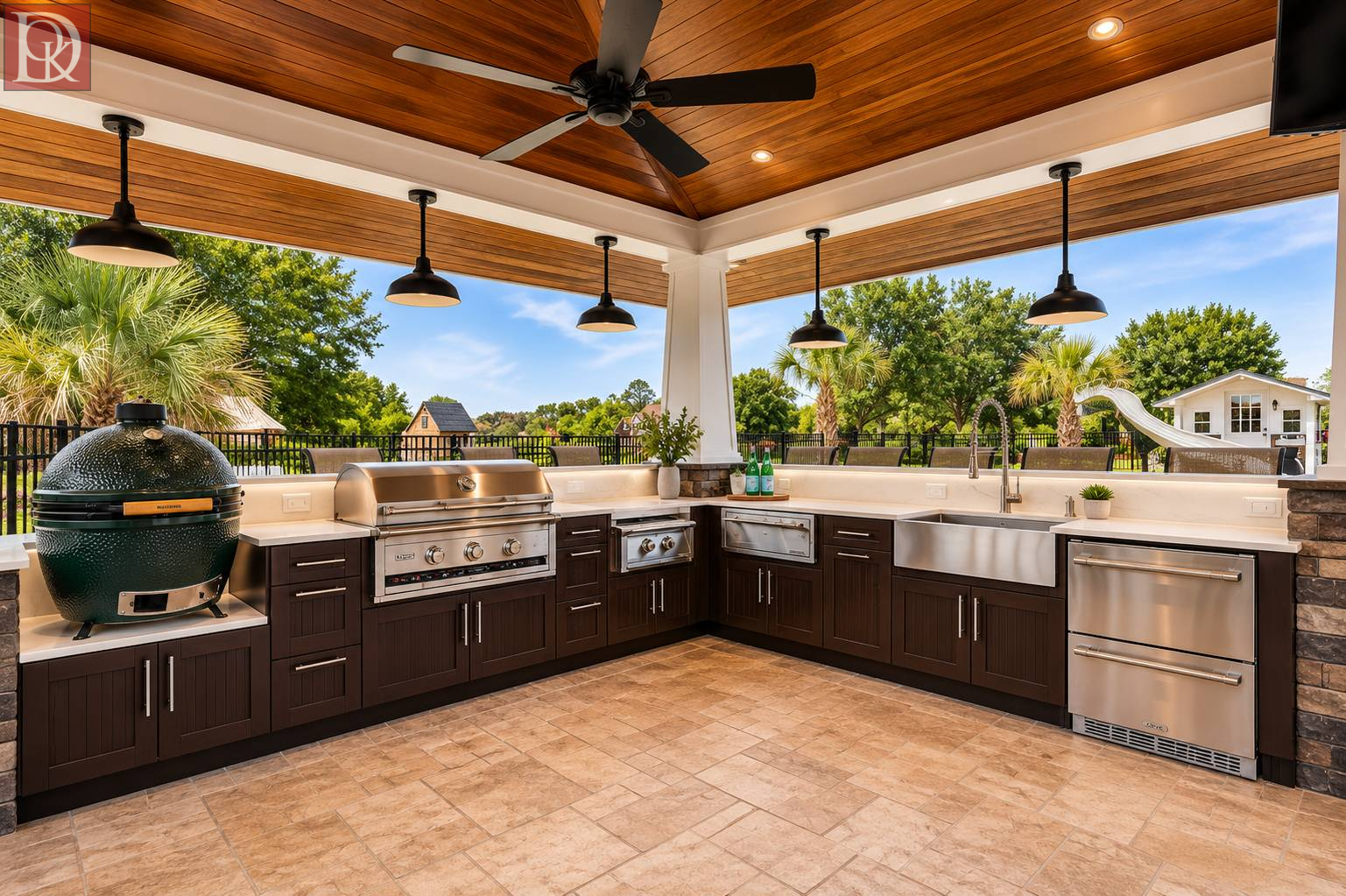
Planning an outdoor kitchen involves many moving parts—from layout and materials to utilities and construction.
Working with an experienced design-build team helps ensure that all of these elements come together in a way that feels seamless and well thought out. Whether you’re working with outdoor kitchen contractors or a dedicated design-build firm, having the right team in place makes the entire process smoother and more efficient.
Rather than managing multiple contractors or making decisions in isolation, homeowners benefit from a clear plan and a team that guides the process from start to finish.
Bringing Your Outdoor Kitchen to Life
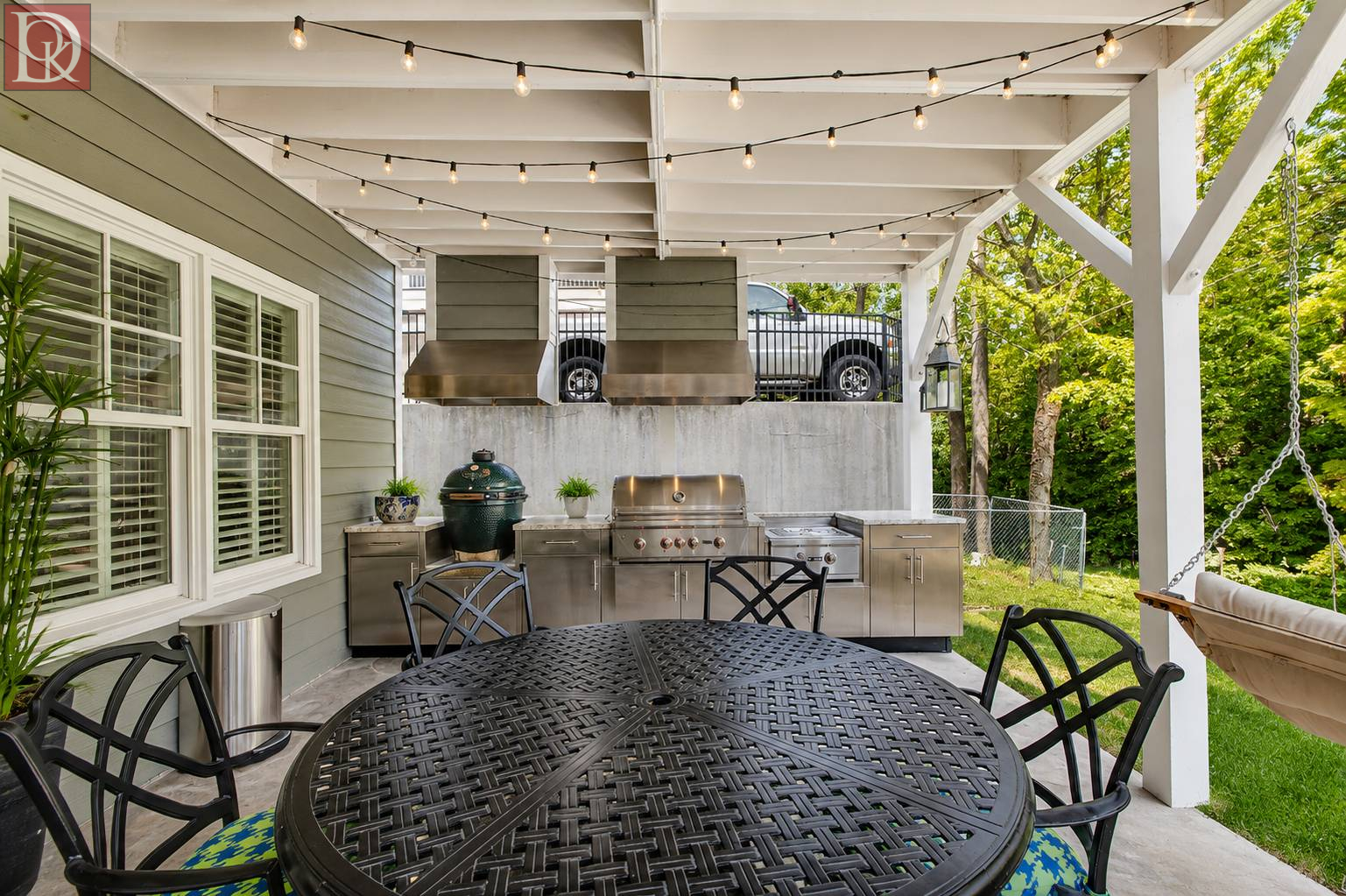
A well-planned outdoor kitchen does more than add value to your home—it creates a space where cooking, entertaining, and everyday living naturally come together.
By focusing on layout, budget, and the features that matter most, homeowners can create outdoor kitchens that feel both functional and inviting.
At Distinctive Outdoor Kitchens, we help Raleigh homeowners design outdoor spaces that are built for how they cook, gather, and enjoy their homes—today and for years to come.
FAQ: Planning an Outdoor Kitchen
How much does it cost to build an outdoor kitchen?
The cost of an outdoor kitchen can vary widely depending on the size of the space, materials, appliances, and overall design. Smaller setups may focus on a grill and countertop, while larger custom kitchens can include refrigeration, seating areas, and covered structures. Reviewing an Outdoor Kitchen Costs Guide can help set realistic expectations early in the planning process.
What is the best layout for an outdoor kitchen?
The best layout depends on how you plan to use the space. A simple linear layout works well for smaller areas, while L-shaped or U-shaped designs provide more room for prep, cooking, and entertaining. The goal is to create a layout that allows for easy movement between cooking, serving, and socializing.
Do I need a professional to design my outdoor kitchen?
While it’s possible to plan an outdoor kitchen on your own, working with a design-build team helps ensure that layout, materials, and appliances are selected correctly from the start. Professional design guidance can also help avoid common issues related to space planning, utilities, and long-term durability.
What features should I include in an outdoor kitchen?
The right features depend on how you cook and entertain. Common options include built-in grills, side burners, refrigeration, storage, and seating areas. Many homeowners also incorporate pizza ovens, griddles, or beverage centers to expand functionality.
Can an outdoor kitchen be used year-round in Raleigh?
Yes—with the right design. Features like covered structures, heaters, and proper lighting can make outdoor kitchens comfortable and functional throughout multiple seasons. Planning for year-round use is a common priority for Raleigh homeowners.
What’s the difference between custom and prefabricated outdoor kitchens?
Prefabricated outdoor kitchens are pre-designed units that can be installed more quickly, while custom outdoor kitchens are designed specifically for your home and outdoor space. Custom designs offer greater flexibility in layout, materials, and features, while prefab options can be more straightforward and faster to install.
How long does it take to build an outdoor kitchen?
The timeline depends on the complexity of the project. Simpler installations may take a few weeks, while fully custom outdoor kitchens with utilities, structures, and detailed design elements can take longer. Planning ahead helps ensure a smoother process.
If you’re in the early stages of planning, scheduling a visit to an outdoor kitchen showroom can be a helpful next step. Seeing materials, layouts, and appliances in person often makes it easier to visualize what’s possible and make confident decisions about your project.